Source vintage appliqued plaid dress for events, parties, and daily wear
Explore 30 listings for the vintage appliqued plaid dress with options in linen and cotton. Buyers can compare customization, sleeve lengths, and waist designs to find the right fit for their needs; compare the available evidence and request quotations based on your requirements.
Key considerations
Products List


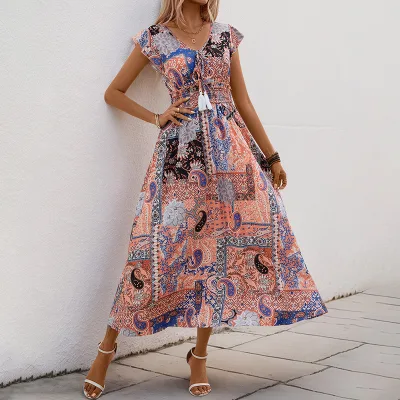
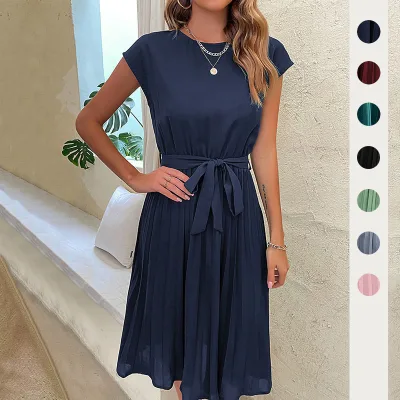
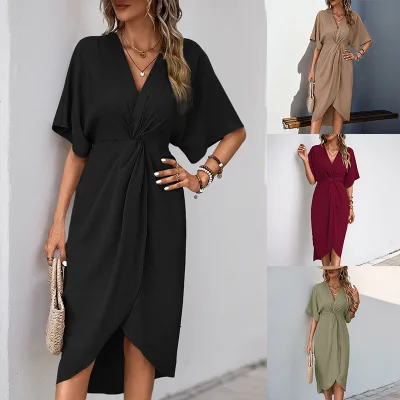
Comprehensive Sourcing Guide
Vintage Appliqued Plaid Dress Sourcing Guide
Sourcing vintage-style appliqued plaid dresses requires distinguishing between authentic reproduction techniques and modern mass-produced imitations that merely mimic the aesthetic. Buyers must verify that the "plaid" pattern is achieved through woven jacquard or printed methods rather than simple appliqué patches, as the latter often lacks the structural integrity expected in high-quality vintage-inspired garments. The observed market data indicates a wide range of customization options, including specific colorways like white and blue, which suggests that suppliers can tailor the plaid motif to match specific brand identities while maintaining the classic aesthetic.
Procurement teams should prioritize suppliers who explicitly offer customization for design elements such as neckline styles, including square necks and V-necks, and waist designs like high-waisted silhouettes. The availability of OEM services and the ability to customize product models indicate that manufacturers can adapt the garment's construction to meet specific vintage requirements. However, buyers must carefully review the material composition, as the observed listings include linen, cotton, and polyester blends, each offering different drape and texture characteristics essential for achieving the desired vintage look.
Product Scope and Observed Listing Signals
The current market landscape for vintage-inspired dresses reveals a diverse range of specifications, including variations in sleeve length from short to long and length options ranging from short to long. While the core keyword focuses on plaid, the observed data shows significant diversity in skirt silhouettes, with A-line and slip dress styles being prominent. This variability suggests that buyers should not assume a single standard design but rather expect a spectrum of interpretations where the vintage aesthetic is applied to different cuts, such as pull-on styles or those featuring invisible back zippers.
Buyers must scrutinize the listed attributes for inconsistencies, as some entries describe "Long" length while others specify "Short" or "Medium," and sleeve lengths vary between short and long. The presence of specific design features like belts, square necks, and round collars indicates that the vintage style is being applied across multiple garment types. It is critical to confirm that the "appliqued" aspect is a genuine construction detail and not a mislabeled printed pattern, ensuring the final product aligns with the tactile and visual expectations of a true vintage-inspired piece.
Technical Specifications to Verify
Technical verification must begin with the material composition, as the observed listings cite linen, cotton, and polyester, each requiring different care and offering distinct performance traits. Buyers should confirm the exact fiber blend to ensure the fabric possesses the necessary weight and drape for a vintage silhouette, particularly when the design includes high-waisted cuts or A-line skirts. The lining material is another critical specification, with some products listing 100% cotton linings, which is essential for comfort and breathability in garments intended for spring and summer seasons.
Dimensional accuracy and packaging standards are equally vital, as observed data includes specific packing instructions like "One Piece Into One Poly Bag" and standard dimensions such as 50*40 cm. Buyers must verify that the product model numbers, such as 2025-1009 or Dresses-010N, correspond to the specific design features requested, including closure types like pull-on styles or invisible back zippers. Additionally, the customization of size and color must be clearly defined in the technical specifications to avoid discrepancies between the ordered sample and the bulk production run.
Compliance and Safety Documentation
Compliance documentation for vintage-style dresses must address both general textile safety standards and specific regional requirements for apparel imports. While the observed data does not explicitly list certification statuses, buyers should request proof of compliance with relevant safety regulations regarding flammability, chemical restrictions, and fiber content labeling. The origin of the products, noted as Shanghai and China, implies that suppliers must adhere to Chinese export standards as well as the import regulations of the destination country, which often include strict testing for harmful substances in textiles.
Safety verification should also extend to the construction quality, ensuring that elements like invisible back zippers and belt designs do not pose choking hazards or sharp edge risks, particularly for garments suitable for youth. Buyers must confirm that the supplier provides test reports for the specific materials used, such as linen or cotton, to verify they are free from prohibited dyes or finishes. Without explicit certification data in the listings, the procurement team must mandate third-party testing to validate that the finished garments meet all applicable safety and quality benchmarks before shipment.
Cost Drivers and Commercial Terms
Cost drivers for vintage appliqued plaid dresses are heavily influenced by the complexity of the design, the choice of natural fibers like linen and cotton, and the level of customization required. The observed MOQ range of 2 to 500 units suggests flexibility, but specific listings indicate higher thresholds like 10,000 units for certain models, which significantly impacts the unit price and overall budget. Buyers must negotiate based on the specific material composition and design features, as intricate details like square necks or high-waisted cuts may require additional labor and time, increasing the base cost.
Commercial terms must clearly define the shipping method, as observed data mentions options for sea, air, or express delivery from Shanghai, with FOB terms being standard. Lead times and pricing should be aligned with the production complexity, especially when customization involves specific colors or sizes. Buyers should also account for packaging costs, as the standard practice of packing each piece in a polybag adds to the overall expense. Understanding these variables is essential for accurate budgeting and ensuring that the final landed cost remains within the target range.
Supplier Qualification and Quality Control
Supplier qualification should focus on verifying their capacity for customization and their track record with natural fiber garments like linen and cotton. The observed data indicates that suppliers offer OEM services and can customize product models, but buyers must assess their ability to maintain consistency across different batches, especially when dealing with complex patterns like plaid. Quality control protocols must include checks for fabric defects, stitching integrity, and the accuracy of design elements such as the belt and neckline styles to ensure the vintage aesthetic is preserved.
Buyers should implement a rigorous inspection process that covers the entire production cycle, from raw material sourcing to final packaging. Given the variation in observed specifications, such as different sleeve lengths and closure types, it is crucial to have clear quality benchmarks for each specific design variant. Regular communication with the supplier regarding production progress and sample approvals will help mitigate risks associated with customization errors. Establishing a strong relationship with the supplier ensures that any deviations from the agreed specifications are identified and corrected before the goods are shipped.
Long-Term Procurement Checks
Long-term procurement success depends on establishing a reliable supply chain that can consistently deliver high-quality vintage-inspired dresses while adapting to changing market trends. Buyers should conduct periodic audits of their suppliers to ensure they maintain the necessary production capabilities and adhere to agreed-upon quality standards. This includes verifying that the suppliers can continue to source high-quality linen and cotton materials and that their customization processes remain efficient and cost-effective over time.
Continuous monitoring of market trends and consumer preferences is essential to ensure the product line remains relevant. As the vintage style evolves, buyers must be prepared to adjust specifications, such as changing sleeve lengths or necklines, to meet new demands. Building a flexible supply chain that can accommodate these changes without compromising quality or delivery timelines will be key to maintaining a competitive edge. Regular reviews of supplier performance and market feedback will help identify areas for improvement and ensure long-term partnership stability.
FAQs
Can I customize the vintage appliqued plaid dress design?
Yes, customization is available for this dress style. Buyers can request specific modifications to the pattern, color, or fit to match their brand requirements. The product page indicates that customization options are open, allowing for tailored production runs. This flexibility supports unique design needs while maintaining the classic aesthetic of the garment.
What materials are used in the vintage appliqued plaid dress?
The dress is primarily made from linen and cotton materials. Some variations feature a 100% cotton lining for added comfort. These natural fabrics provide breathability and a soft texture suitable for spring and summer seasons. The material choice ensures durability and a premium feel, aligning with the classic style of the garment.
What is the minimum order quantity for this dress?
The minimum order quantity varies, with observed ranges starting from 2 units up to 500 units for standard orders. However, specific listings may indicate an MOQ of 10,000 units for certain configurations. Buyers should verify the exact MOQ with the supplier based on their chosen customization level and production volume requirements.
How is the vintage appliqued plaid dress packed for shipping?
Each dress is typically packed individually into a poly bag. This packaging method protects the garment during transit and keeps it clean. For larger shipments, packing may be arranged by sea, air, or express courier from Shanghai. The standard packing dimension is often noted as 50 by 40 cm, ensuring efficient logistics handling.
What styles are available for the vintage appliqued plaid dress?
Available styles include A-line silhouettes with high waist designs and square or V-neck options. Some variations feature short sleeves, while others offer long sleeves. The dress can also be found as a slip dress with a round collar. These diverse styles cater to different fashion preferences and seasonal needs.
Where is the vintage appliqued plaid dress manufactured?
The dress is manufactured in Shanghai, China. This location serves as the primary origin point for shipping and logistics. Buyers can expect production and export activities to be coordinated from this region. The Shanghai origin ensures access to established supply chains and efficient export procedures for international orders.